Shiroganeyu Public Bath (Ginzan Onsen) — Fees, Hand-Free Total, Tattoo Policy & Transit
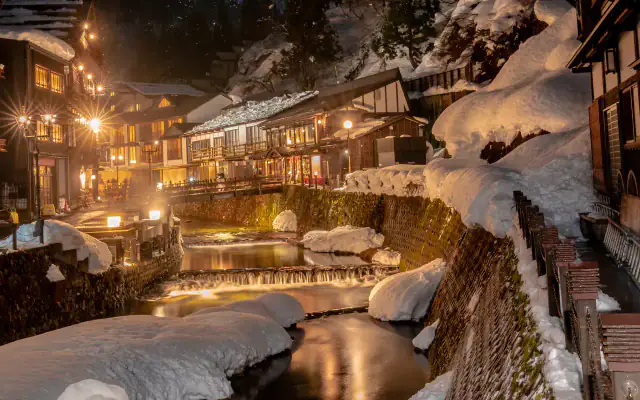
The essential day-tripper bathhouse in fairytale Ginzan Onsen—a Kengo Kuma-designed timber jewel pouring steaming sulfur-chloride water for ¥500.
QUICK VISIT SUMMARY
Hand-Free Total: ¥500 municipal entry
Hours: 09:00–16:00 (last entry 15:30; seasonal winter day-visitor shuttle/ticket rules apply Dec–Mar)
Station / Transit: 36 min bus from JR Oishida Shinkansen Station, then 5 min walk to Ginzan bridge
Tattoo Policy: Public communal bathhouse accessible to day visitors (intimate 5-person tub—keep visits brisk and courteous)
EDITORIAL INSIDER TIP
Verified Facility Specifications
| Facility Name | Shiroganeyu Public Bath (Ginzan Onsen) (銀山温泉 共同浴場 しろがね湯) |
|---|---|
| Address | 〒999-4333 山形県尾花沢市銀山新畑北415-1 |
| Base Entry Fee | Weekday ¥500 / Weekend ¥500 Designed by acclaimed architect Kengo Kuma with vertical timber louvers beside the Ginzan River bridge, pouring hot free-flowing spring water. |
| Towels & Robes | Compact wooden bathhouse—bring your own small towel |
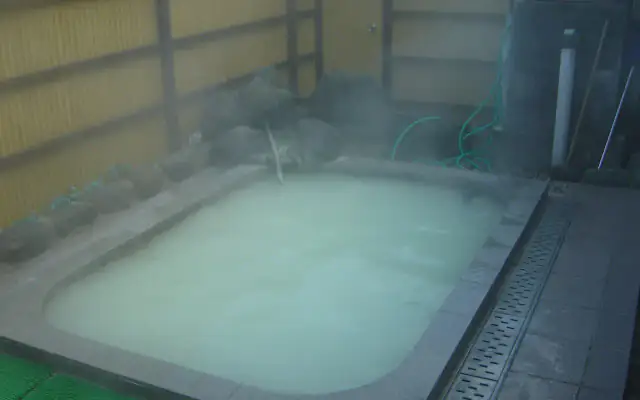
| Spring Chemistry | Hot sulfur-sodium chloride-sulfate spring fed directly from Ginzan's communal source |
| Key Amenities | Kengo Kuma Timber Design ¥500 Authentic Ginzan Spring Right by Historic Gaslamp Street Free River Footbath Nearby |
| Last Verified | 2026-11-24(Oyumeguri Japan Editorial Desk) |
Step-by-Step Entry, Lockers & True Yen Budget at Shiroganeyu Public Bath (Ginzan Onsen)
Shiroganeyu Public Bath (Ginzan Onsen) operates as a traditional Japanese public sotoyu bathhouse rather than a sprawling resort spa. Expect a streamlined ticket vending machine, wooden shoe lockers (often requiring a refundable ¥100 coin), or town pass scanning (such as Kinosaki Yumepa or Kurokawa Yu-Tegata) right at the entrance curtain (noren). Undress completely in the gender-separated changing room and carry only your small modesty towel into the bath hall.
Towel & robe policy: "Compact wooden bathhouse—bring your own small towel." Budget "¥500 municipal entry" if arriving empty-handed, or pack a compact quick-dry microfiber face towel in your daypack to save ¥200–¥500 per person.
- Hand-Free Total Estimate: ¥500 municipal entry
- Towel & Robe Policy: Compact wooden bathhouse—bring your own small towel
- Last Verified: 2026-11-24 against official venue disclosures
Mineral Spring Chemistry (Volcanic Sulfur Spring (Milky Nigori-Yu)) & Soaking Etiquette
Post-Soak Rinse Verdict: Light rinse if sensitive skin (pH 2.0–7.5)
Shiroganeyu Public Bath (Ginzan Onsen) features "Hot sulfur-sodium chloride-sulfate spring fed directly from Ginzan's communal source." Under Japan's Ministry of the Environment classification, this aligns with the Volcanic Sulfur Spring (Milky Nigori-Yu) (pH 2.0–7.5) family: The quintessential milky volcanic onsen experience; remove metal accessories as hydrogen sulfide tarnishes silver.
Before stepping into any hot tub, ladle 8–10 scoops of warm kake-yu water over your feet, knees, hips, and shoulders to acclimate blood pressure, then wash thoroughly while seated at a low shower station. Practice "bunkatsu-yoku" (split soaking: two or three 5–8 minute immersions separated by cool air breaks) rather than a single marathon soak, and drink 300–500 ml of water immediately afterward. Post-soak rule: Light rinse if sensitive skin.
Best Arrival Times, Crowd Avoidance & Transit Tips
At Shiroganeyu Public Bath (Ginzan Onsen) (09:00–16:00 (last entry 15:30; seasonal winter day-visitor shuttle/ticket rules apply Dec–Mar)), day-trip crowds peak on weekends and national holidays between 14:00 and 17:30. Visit within the first 90 minutes after opening for the freshest, quietest water, or after 18:30 once tour buses depart (watching final admission cutoffs).
Transit access: 36 min bus from JR Oishida Shinkansen Station, then 5 min walk to Ginzan bridge. At roughly a 5-minute walk from the nearest station/stop, you retain post-bath core warmth even on chilly evenings.
Yamagata Bathhouse Ordinances & Tattoo Alternatives
Following Japan's revised national MHLW guidelines, most prefectures cap child mixed-gender bathhouse entry at age 6 (meaning children aged 7+ use the bath matching their gender).
Tattoo policy: "Public communal bathhouse accessible to day visitors (intimate 5-person tub—keep visits brisk and courteous)." This makes Shiroganeyu Public Bath (Ginzan Onsen) an outstanding, stress-free choice for inked international travelers.