Winter Snow Onsen ('Yukimi-Buro') & Solstice Yuzu Baths in Japan: 7 Day-Trip Picks & Safety
QUICK ANSWER AT A GLANCE
For guaranteed winter snow-viewing day-trip baths ('yukimi-buro') reachable by public transit, prioritize year-round alpine icons: Noboribetsu Dai-ichi Takimotokan (Hokkaido), Kusatsu Sainokawara Park Rotenburo & high-altitude Manza Onsen (Gunma), and Sukayu Onsen (Aomori). Always watch out for winter closures—Zao Onsen's famous riverside Dai-Rotenburo shuts late November through mid-April, and Ginzan Onsen enforces strict winter park-and-ride rules.
- Top reliable 365-day snow baths: Noboribetsu, Kusatsu, Manza (1,800m elevation), and Sukayu
- Around December 21–22 (Winter Solstice / 'Toji'), neighborhood sento across Japan float whole fragrant yuzu citrus fruits in the tubs at no extra charge
- Prevent winter 'heat shock' by warming up 3–5 minutes in an indoor tub BEFORE stepping out into sub-zero snow air
1. Reliable Year-Round Snow Onsen vs. Winter Seasonal Traps
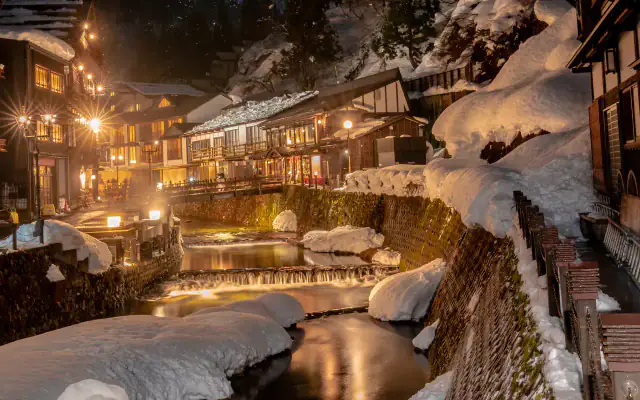
Many travelers bookmark summer photos of dramatic mountain river baths without realizing several alpine gorges close completely once snowpack arrives. Most famously, Yamagata's Zao Onsen Dai-Rotenburo closes every winter (~late November to mid-April), while nearby Ginzan Onsen restricts private cars and closes public day-bath Shirogane-yu early or during icy blizzards.
Stick to geothermal towns with plowed highway bus service and large indoor/outdoor bath complexes so your winter day trip succeeds even during heavy snowfall.
| Town & Flagship Venue | Typical Snow Season | Winter Day-Trip & Transit Notes |
|---|---|---|
| Noboribetsu · Dai-ichi Takimotokan | Early Dec – Late Mar | Open 365 days; direct highway buses from Sapporo & New Chitose Airport |
| Kusatsu · Sainokawara Rotenburo | Mid Dec – Mid Mar | Open 365 days; wear grippy waterproof boots for icy village lanes |
| Manza · Nisshinkan (1,800m) | Late Nov – Early Apr | Open 365 days; ride Seibu bus from Karuizawa Station rather than driving |
| Sukayu Onsen (Aomori) | Mid Nov – April | Open 365 days in deep powder country; JR bus from Aomori Station |
| Ginzan Onsen · Shirogane-yu | Mid Dec – March | Mandatory shuttle bus for drivers; day-bath hours limited & weather-dependent |
2. December's Winter Solstice 'Yuzu-Yu' Tradition & Heat-Shock Safety
Visiting Japan around December 21–22? Step into almost any neighborhood sento in Tokyo, Kyoto, Osaka, or Fukuoka (or coastal super sento like Hakata's Namiha no Yu) to experience 'Yuzu-yu'—hundreds of whole golden yuzu citrus fruits bobbing in steaming water, an Edo-period tradition celebrating winter health. One polite rule: enjoy the citrus aroma without squeezing or crushing the floating fruit, as concentrated peel oils sting sensitive skin.
In sub-zero weather, protect your cardiovascular system from sudden temperature swings ('heat shock'): ladle warm water from feet to shoulders, soak 3–5 minutes in the indoor bath first so your core warms gradually, place a folded dry towel on your head outdoors, and check our 10-Second Pre-Sauna & Bath Safety Checker before entering.
Side-by-Side Comparison of Featured Bathhouses
| Venue | Hand-Free Total | Tattoo Policy | Nearest Station |
|---|---|---|---|
| Shiroganeyu Public Bath (Ginzan Onsen) | ¥500 municipal entry | Tattoo-Friendly | 36 min bus from JR Oishida Shinkansen Station, then 5 min walk to Ginzan bridge |
| Sainokawara Open-Air Bath (Kusatsu Onsen) | ¥800 entry (¥1,150 w/ souvenir towel; covered by Kusatsu's ¥2,100 'San-Yu-Meguri' 3-Bath Pass) | Tattoo-Friendly | 18 min scenic walk through Yubatake & Sainokawara Park from Kusatsu Bus Terminal |
| Minato Onsen Namiha-no-Yu (Fukuoka Bayside & Family Baths) | ¥1,100–¥1,250 w/ own towel; ~¥1,450–¥1,600 hand-free | No Tattoos | Direct Nishitetsu Bus from Hakata Sta. or Tenjin to Hakata Pier (Bayside Place) |